Arraignment and pretrial
Nearly every flat fee includes arraignment and the pretrial hearings that follow it. These hearings are often continued more than once while discovery arrives, and repeated appearances rarely change the quoted price.
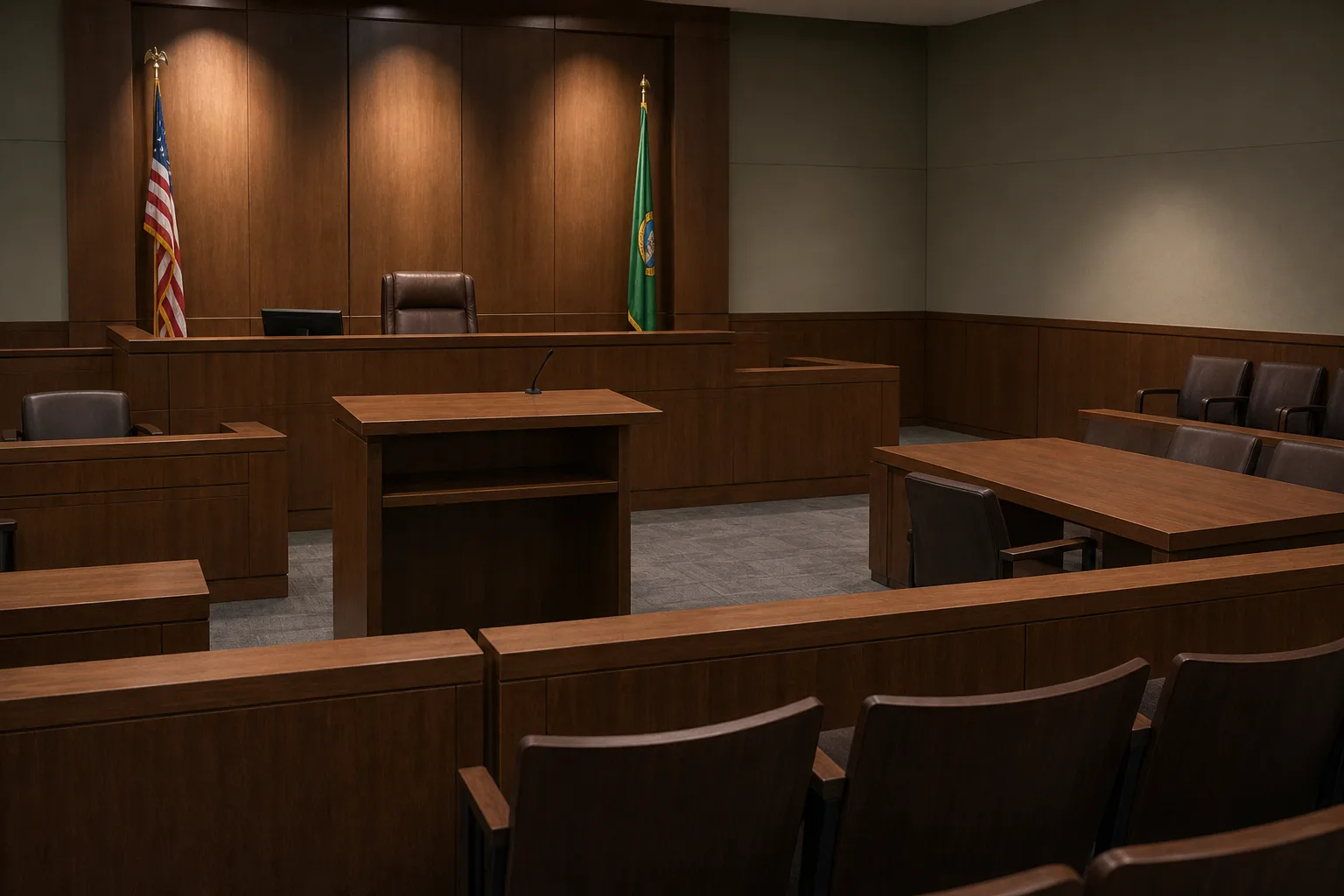
Nearly every flat fee includes arraignment and the pretrial hearings that follow it. These hearings are often continued more than once while discovery arrives, and repeated appearances rarely change the quoted price.
Talking with the prosecutor about a reduced charge or a deferred prosecution is standard within the base fee. That conversation is where most Washington DUI cases actually end.
Setting a case for trial usually triggers either an additional flat fee or a switch to hourly billing. The agreement should say which, and should define the exact event that starts the clock.
A careful reading of a Washington DUI fee agreement, stage by stage, showing which hearings the flat fee buys and which ones are billed separately.
A flat fee sounds like a finished number, and that is the point of quoting one. It converts an open-ended problem into a figure a person can decide about in a single afternoon, which is worth something to a defendant who has not slept properly since the arrest. The number is usually honest as far as it goes. What varies between offices is how far it goes, and the fee agreement is the only document that answers that, because the phone consultation almost never does. Read it the way you would read a contractor's estimate: not for the total, but for the scope line.
In most King County agreements the base fee covers the criminal case through the negotiated stage. That means arraignment, where the plea of not guilty is entered and conditions of release are set, then the pretrial hearings that follow, usually several of them, spaced weeks apart while discovery arrives. It covers the attorney requesting and reviewing the police reports, the breath test tickets, the calibration records and any video, and it covers the conversations with the prosecutor about whether the charge can be resolved as a lesser offense or set on a deferred prosecution track. For a large share of cases, that sequence is the entire case. The fee is written for the common path.
Trial is the obvious exclusion, and most agreements name it plainly, either as a separate flat fee or as a trigger that converts the arrangement to hourly. The second exclusion is the litigated motion, particularly one attacking the breath instrument, because that work often requires an independent expert on the machine and its maintenance history, and the expert bills the client directly. Third is the administrative license hearing, which is a different proceeding before the Department of Licensing with its own deadline and its own record, and many criminal fee agreements exclude it by name. Fourth is appeal, which almost nobody includes. A careful reader checks all four against the agreement, in writing, before signing.
Appointed counsel changes the money question, not the stages. A defendant who qualifies financially gets a lawyer at arraignment and through the pretrial hearings and negotiation, at no fee or a small screening cost, and that lawyer is frequently the most experienced person in the courtroom on the local prosecutor's charging patterns. Motions and trial are covered too, since the appointment is for the criminal case. The gaps are elsewhere. Expert costs require a motion to the court for funds. And the license hearing is administrative, not criminal, so appointed counsel generally does not extend to it, which leaves that clock running on the defendant.
Self-representation is legal and occasionally rational, most often when the person intends to plead and only wants the process explained. The trouble is that the leverage in a DUI case sits in the paperwork nobody sees from the counsel table. The National Highway Traffic Safety Administration oversees federal standards for evidential breath testing devices, and Washington layers its own protocol requirements on top, covering the observation period, the instrument's internal checks and the thermometer records. Spotting a defect in that chain is a document exercise before it is an argument. A pro se defendant will get the hearings, the continuances and a plea offer. What they will not get is the second read.
Look for the withdrawal and refund language, which tells you what happens to the fee if the case resolves at the second hearing or if you change lawyers in month three. Look for who advances the costs of experts, records and transcripts, and whether unused amounts come back. Look for the sentence that defines when trial preparation begins, because that date, not the trial date, is often what triggers the second fee. Ask the office to state, in the agreement itself, whether the license hearing is included and who files the request. A firm that answers those four questions in writing is telling you exactly what it will do, which is the useful thing to buy.
The best version of this transaction is boring: a scope you can recite, a number that matches it, and a named person responsible for the license deadline. Read it slowly, at a table, with the calendar next to it.